Oumni · Family Health OS
You shouldn't have to carry your family's health alone.
The trusted intelligence layer between your family and the healthcare system.
Launching in phases · Founding cohorts opening soon
The problem
Indian healthcare has every part. Nothing connects them.
No one watches between crises
Specialists treat organs. Nobody watches the whole person.
The burden falls on you
You remember, you explain, you chase, you join the dots.
Care is population-average
Built for the average body. Yours isn't average.
What Oumni is
Oumni is your family's precision care layer.
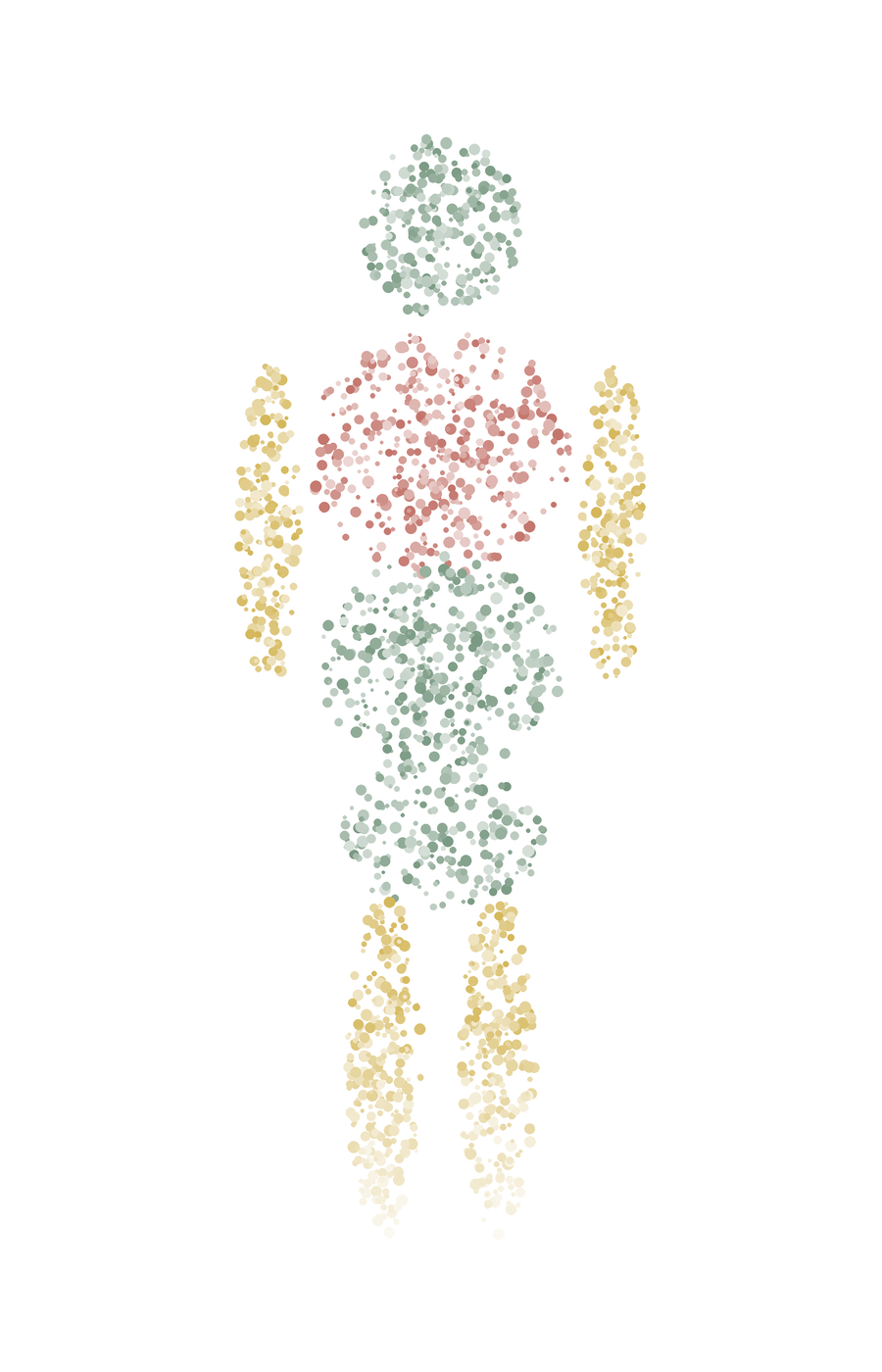
A living model of each member and the whole family — built from labs, wearables, genetics and history.
The OS
One calm view of your family's health.
What matters today, in plain language — for every member, in one place.
See how the OS works →Calibrated to each body, not a population average.
Each maps the right markers to the right organ system.
Built on Indian clinical protocols, extensible to any other.
Software organises the signal. Clinicians make the call.
Good afternoon, Priya
Today's priority
IVF stimulation is starting — call the clinic on Day 1 to book your baseline scan.
31
Bio age
79
Health score
3 / 7
Sleep 7h+
4
Open actions
The Encyclopaedia
We go deepest first where care is most fragmented.
Built for the whole family. We begin with women's reproductive and hormonal health — and extend from there.
Explore the Encyclopaedia →How it works
Start free. Deepen care as you need it.
Record Layer
Your records in one place. Your first digital twin.
Care Layer
Physician access, doctor-reviewed panels, signals that escalate.
Deep Family Care
Deeper review, advanced diagnostics, full care protocols.
Pricing shared with founding cohorts at launch.

Your whole family's health, in one place.
Founding cohorts opening soon.